Cash plays a quiet but essential role in personal finance. While investing often gets more attention, cash is what keeps everyday life running smoothly and protects you from short-term financial disruptions.
The challenge is finding the right balance. Keeping too much cash can slow financial progress, while keeping too little can increase stress and risk.
This guide explains how to think about cash holdings realistically in the context of the United States.

Why Cash Still Matters in a Digital Economy
Even in a world of credit cards and online payments, cash remains important. It provides immediate flexibility and allows you to handle expenses without borrowing or selling investments.
Cash also acts as a buffer. It absorbs small shocks before they turn into larger financial problems.
The Risk of Holding Too Much Cash
Holding excessive cash, especially in low-interest accounts, comes with a hidden cost: inflation. Over time, inflation reduces the purchasing power of idle money.
Cash that sits unused for years gradually loses value. That is why long-term financial growth depends on investing rather than saving alone.
The Risk of Holding Too Little Cash
On the other extreme, holding too little cash can force poor decisions. Without sufficient reserves, unexpected expenses may lead to:
- High-interest debt
- Early withdrawals from investments
- Financial stress during emergencies
A lack of cash often turns small problems into long-term setbacks.
A Practical Cash Structure
A useful way to think about cash is to divide it into clear categories:
- Daily Spending Cash
This is the money used for rent, utilities, groceries, and regular bills. Most households only need one to two months of expenses readily available in checking. - Emergency Cash
This portion is reserved for true emergencies. It should be kept separate and untouched during normal months. - Short-Term Goal Cash
Money saved for upcoming expenses, such as travel or planned purchases, belongs here.
Each category has a different role and should be stored accordingly.
Where Cash Is Typically Kept in the U.S.
In the United States, cash is commonly stored across:
- Checking accounts
- High-yield savings accounts
- Money market accounts
Each option offers a different balance of accessibility and return. Checking accounts prioritize convenience, while savings accounts prioritize stability and modest growth.
How Income Stability Affects Cash Needs
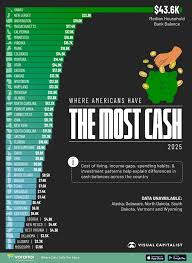
Cash requirements vary significantly based on income reliability. Someone with a stable salaried job may need less cash on hand than a freelancer or business owner.
Variable income increases the importance of cash buffers. In those cases, holding extra liquidity reduces pressure during slow periods.
Cash and Emotional Decision-Making
One often overlooked benefit of adequate cash reserves is psychological. Knowing that cash is available reduces anxiety and helps prevent emotional financial decisions.
This emotional stability improves long-term outcomes by allowing investments to remain untouched during short-term disruptions.
Adjusting Cash Levels Over Time
Cash needs are not static. Life changes such as career shifts, family growth, or economic uncertainty may require adjustments.
Reviewing cash holdings once or twice a year is usually sufficient. Frequent changes often lead to overreaction.

Final Thoughts
Cash is not wasted money when it serves a clear purpose. In the right amount, it provides stability, flexibility, and peace of mind.
For U.S. households, the goal is not to eliminate cash, but to define its role clearly. When cash is structured intentionally, it supports both daily life and long-term financial growth.