The question “IRA or 401(k): which is better?” sounds simple—but in practice, it’s one of the most poorly framed retirement decisions I see.
After years of reviewing taxes and retirement structures, I can say this clearly:
👉 There is no universal answer—but there are repeated bad decisions.
This article isn’t about generic advice. It’s about choosing what actually fits your situation.
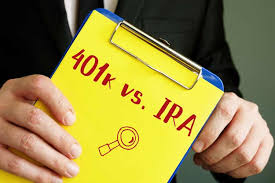
Why “Which Is Better?” Is the Wrong First Question
The most common mistake is comparing products instead of personal context.
Before choosing, you need clarity on:
- Current income
- Expected future income
- Tax impact now and later
- Desired level of control
Without this, decisions are driven by trends, not strategy.
When a 401(k) Is Usually the Better First Step
1️⃣ Employer Match
- Free money
- Immediate return
- One of the most powerful short-term decisions available
2️⃣ High and Stable Income
If you can:
- Save large amounts
- Maintain liquidity elsewhere
Then higher limits work in your favor—assuming proper tax alignment.
3️⃣ Automatic Saving
- Payroll deductions
- Reduced temptation to spend
For many, this structure is key to consistency.
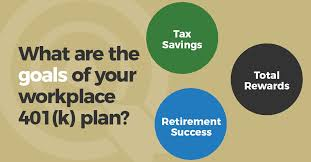
When an IRA Often Makes More Sense
1️⃣ Investment Control
- Low-cost ETFs
- Better diversification
- Avoid hidden plan fees
Long-term costs matter more than most people realize.
2️⃣ Job Mobility or Self-Employment
- Independent of employers
- Moves with you
- Flexible during transitions
3️⃣ Retirement Tax Flexibility
Especially with Roth IRAs:
- Greater withdrawal control
- Fewer restrictions
- More precise tax planning
Choosing Based on Income Level
Low to Moderate Income
- Roth accounts often shine
- Roth IRA + matched 401(k) works well
Middle Income
- Most common mistakes
- Overuse of pre-tax accounts
- Mixing Traditional and Roth is usually smarter
High Income
- Tax planning becomes critical
- IRA limits can be restrictive
- 401(k) capacity matters more
Architecture matters more than the product itself.

Taxes: The Factor Most People Ignore
The costliest mistake:
👉 Optimizing today’s taxes and ignoring tomorrow’s.
Key questions:
- What’s your current rate?
- What happens when withdrawals begin?
- How do they interact with other income?
If you can’t answer these, don’t choose yet.
Why “Both” Is Often the Best Answer
In practice:
- 401(k) for match and limits
- IRA for control and flexibility
- Blend Traditional and Roth
This reduces risk and improves real outcomes.
Simple Decision Framework
- Match available? → Start with 401(k)
- Poor investment options? → Add an IRA
- Expect higher taxes later? → Consider Roth
- High income? → Prioritize tax strategy
Conclusion
“IRA or 401(k): which is better?” isn’t answered with rules—it’s answered by understanding income, taxes, and real goals.
Accounts are tools.
The difference is how and when you use them.