Saving money is often treated as a single habit, but in reality, not all savings serve the same purpose. One of the most common mistakes people make is placing all their savings into one account without a clear structure. This can lead to confusion, poor financial decisions, and unnecessary stress.
Understanding the difference between short-term and long-term savings is essential for building a stable financial system, especially in the United States, where expenses, taxes, and financial products vary widely.
This article explains how to separate, organize, and manage both types of savings in a practical and realistic way.
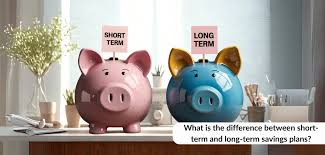
What Short-Term Savings Are Really For
Short-term savings are designed for expenses you expect to face in the near future. These are not emergencies, but planned or predictable costs.
Common examples include:
- Car maintenance or repairs
- Medical deductibles
- Travel expenses
- Home improvements
- Annual insurance payments
Short-term savings protect you from relying on credit cards or loans for foreseeable expenses. When managed properly, they reduce financial friction in everyday life.
Where Short-Term Savings Should Be Kept
Accessibility is the priority for short-term savings. In the U.S., the most common and effective options are:
- High-yield savings accounts
- Traditional savings accounts
- Money market accounts
These options provide stability and easy access without exposure to market volatility. While returns are modest, preserving the value of the money matters more than growth for short-term goals.

What Long-Term Savings Are Meant to Do
Long-term savings serve a very different purpose. This category includes money intended for goals that are several years away or tied to future financial security.
Examples include:
- Retirement
- Long-term education costs
- Financial independence goals
- Large purchases planned many years ahead
Because time is on your side, long-term savings can tolerate more volatility in exchange for higher potential growth.
Long-Term Savings Vehicles in the United States
In the U.S., long-term savings are often built using:
- 401(k) plans
- IRA accounts
- Brokerage accounts
- Long-term investment portfolios
These tools are designed to work over decades, not months. Short-term market movements matter far less than consistency and discipline.

Why Mixing Short-Term and Long-Term Savings Causes Problems
When short-term and long-term savings are mixed, people are more likely to:
- Withdraw investments at bad times
- Delay long-term goals
- Misjudge how much money is truly available
Separating these funds creates clarity. Each dollar has a defined role, reducing emotional decision-making.
How Income Stability Influences Savings Structure
Income reliability plays a key role in how savings should be structured. Someone with a stable salaried job may need smaller short-term reserves than someone with irregular income.
Freelancers, contractors, and business owners often benefit from larger short-term buffers to manage cash flow variability.
How to Review and Adjust Over Time
Savings strategies should evolve. Life events such as career changes, family growth, or economic uncertainty may require adjustments.
A simple annual review is often enough to ensure both short-term and long-term savings remain aligned with current needs.
Final Thoughts
Short-term and long-term savings are not competing priorities. They are complementary systems that work best when clearly separated.
For U.S. households, understanding this distinction is a foundational step toward financial stability. When each savings category has a defined purpose, money becomes a tool rather than a source of stress.