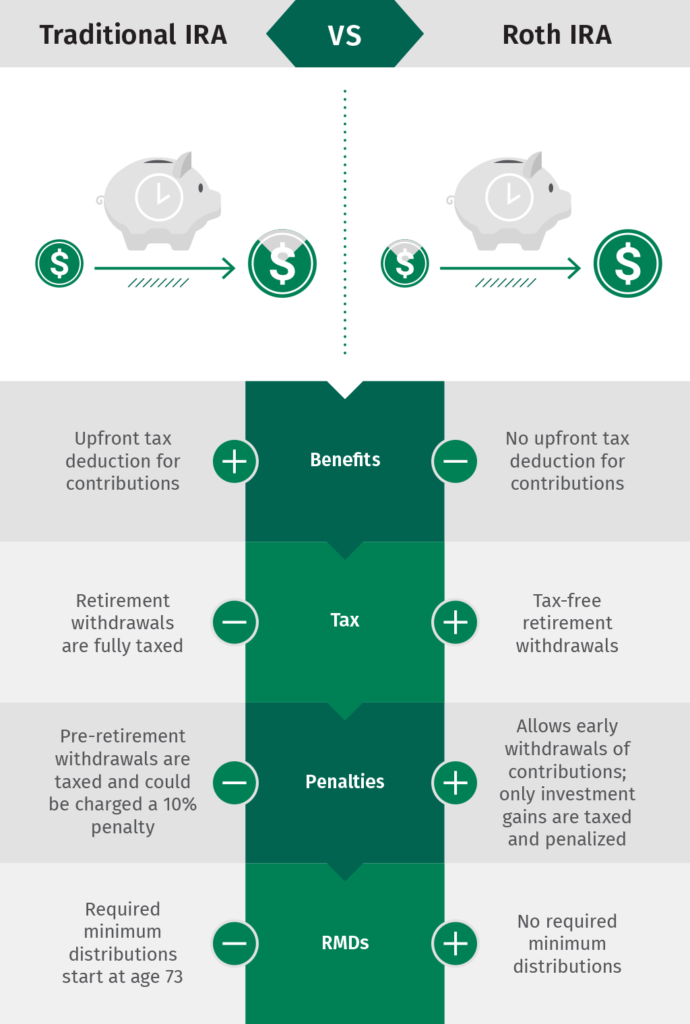
Choosing between Traditional and Roth retirement accounts is one of the most common questions in U.S. personal finance. While the concepts are often presented as complex, the core difference is straightforward: when you pay taxes.
Understanding this difference helps clarify which option may better support long-term financial goals.
The Core Difference: Tax Timing
Traditional accounts generally provide tax benefits today, while Roth accounts provide tax benefits in the future.
This distinction influences how retirement income is taxed and how flexible withdrawals can be later in life.
How Traditional Retirement Accounts Work
Traditional retirement accounts allow contributions to be made before taxes in many cases. This can reduce taxable income in the contribution year.
Taxes are paid when money is withdrawn during retirement.

Benefits of Traditional Accounts
Common advantages include:
- Immediate tax reduction
- Higher take-home pay today
- Useful for current high earners
However, withdrawals are taxed as ordinary income later.
How Roth Retirement Accounts Work
Roth accounts are funded with after-tax dollars. There is no tax deduction upfront.
Qualified withdrawals in retirement are tax-free, offering long-term tax certainty.
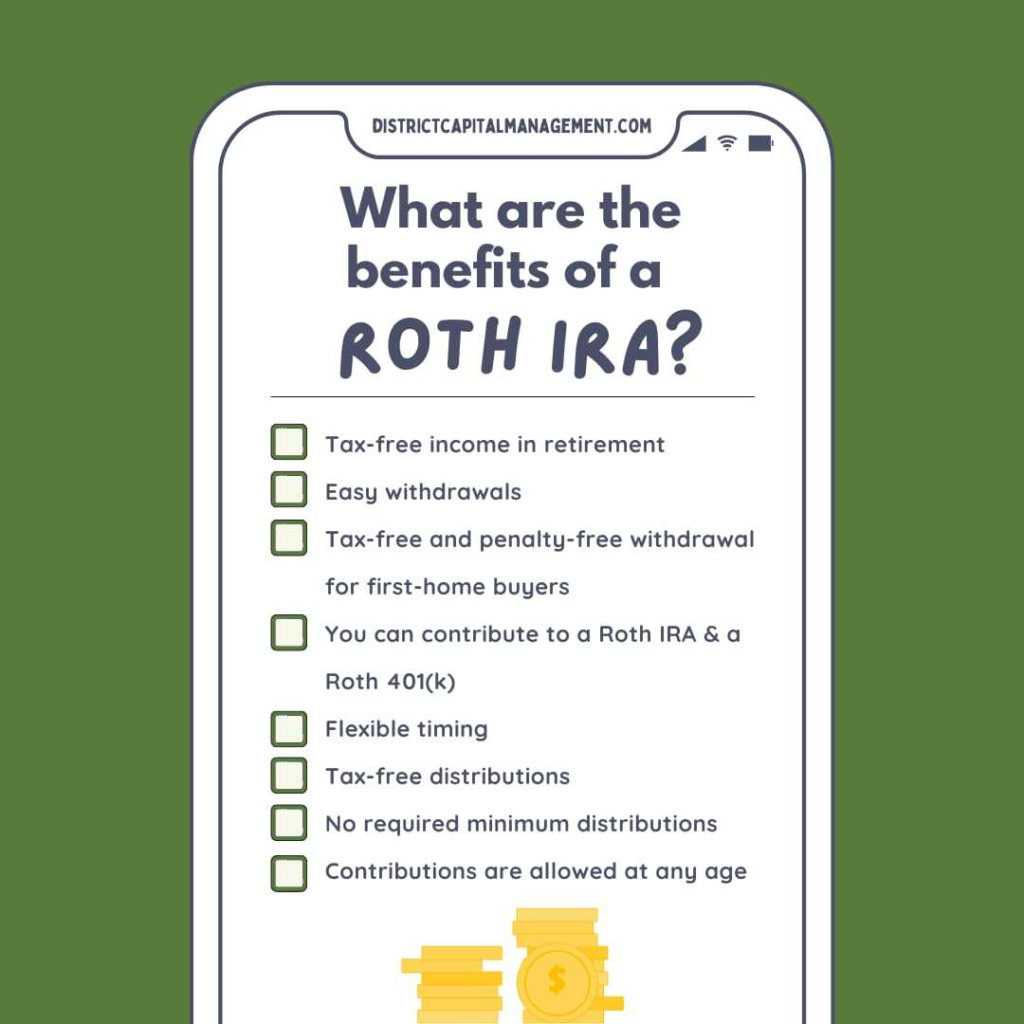
Benefits of Roth Accounts
Advantages often include:
- Tax-free retirement income
- No tax impact from future rate changes
- Greater planning flexibility
Roth accounts can be particularly valuable for long-term planning.
Common Misunderstandings
Many people assume one option is universally better. In reality, suitability depends on:
- Current income
- Expected future income
- Tax rate assumptions
- Time horizon
Why Many U.S. Savers Use Both
Using both Traditional and Roth accounts can provide tax diversification. This allows flexibility when managing retirement withdrawals.
Diversification reduces reliance on a single tax outcome.
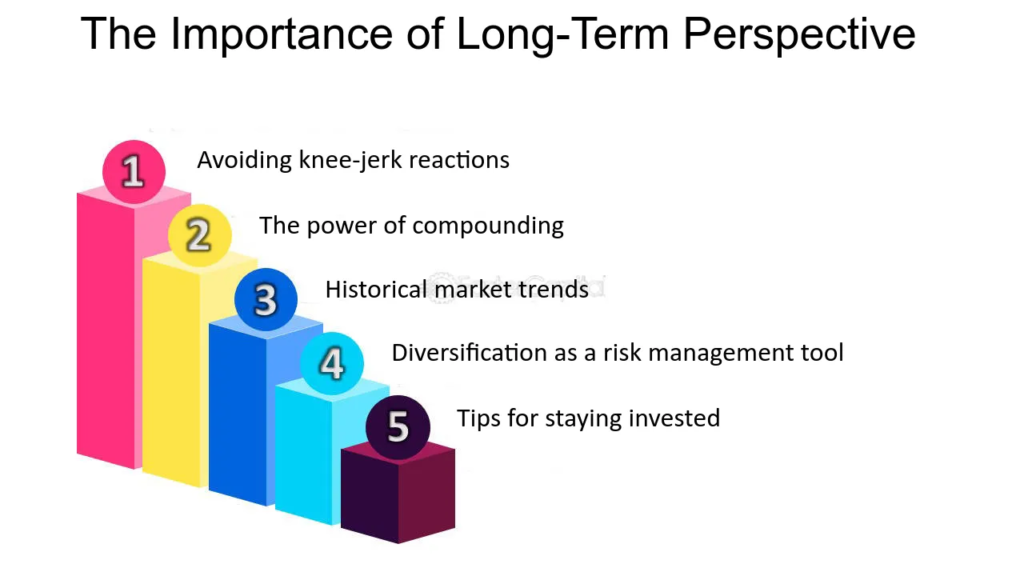
The Importance of Long-Term Perspective
Short-term tax savings can be appealing, but long-term consequences matter more. Retirement planning benefits from evaluating future scenarios rather than focusing solely on the present.
Reviewing Retirement Strategy Periodically
Life changes, income shifts, and tax laws evolve. Reviewing account types periodically helps maintain alignment with goals.
Final Thoughts
Traditional and Roth retirement accounts are tools, not decisions in isolation. Understanding how each works allows for more informed and confident planning.
In U.S. personal finance, tax timing is often more important than tax rates themselves.